
Contents
- 🌎 Introduction to the 2008 Global Financial Crisis
- 📈 The Role of Subprime Mortgages in the Crisis
- 🏠 The 2000s United States Housing Bubble
- 📊 The Collapse of Mortgage-Backed Securities
- 🚨 The Liquidity Crisis and Bankruptcy of Lehman Brothers
- 📉 The Stock Market Crash and Global Recession
- 🌟 Regulatory Failures and Predatory Lending
- 📊 The Aftermath and Legacy of the Crisis
- 🤝 International Cooperation and Response
- 📊 Lessons Learned and Future Implications
- 📈 The Impact on the Global Economy
- 📊 Conclusion and Reflections on the Crisis
- Frequently Asked Questions
- Related Topics
Overview
The 2008 global financial crisis, triggered by a housing market bubble burst in the United States, was a complex and multifaceted event that exposed deep-seated flaws in the global financial system. It began with the collapse of the subprime mortgage market, which had been fueled by lax lending standards and excessive securitization. As the crisis unfolded, it became clear that many financial institutions had taken on too much risk, and that the entire system was vulnerable to a credit crunch. The crisis led to a sharp contraction in economic activity, with global trade declining by 12% in 2009, and a significant increase in unemployment, with the US unemployment rate peaking at 10% in October 2009. The crisis also led to a significant increase in government debt, with the US national debt increasing by over $6 trillion between 2008 and 2012. The crisis was eventually contained through a combination of monetary and fiscal policy interventions, including the passage of the Dodd-Frank Act in 2010, which imposed new regulations on the financial industry. However, the legacy of the crisis continues to shape the global economy, with many arguing that the underlying causes of the crisis have not been fully addressed, and that another crisis is inevitable if significant reforms are not implemented.
🌎 Introduction to the 2008 Global Financial Crisis
The 2008 Global Financial Crisis was a major worldwide financial crisis centered in the United States, with far-reaching consequences for the global economy. The crisis was triggered by excessive speculation on property values by both homeowners and financial institutions, leading to the 2000s United States housing bubble. This was exacerbated by predatory lending for subprime mortgages and by deficiencies in regulation. The crisis also had a significant impact on the global recession and the United States bear market of 2007–2009. The International Monetary Fund played a crucial role in responding to the crisis, providing financial assistance to affected countries. The crisis also led to a significant increase in unemployment and a decline in economic growth.
📈 The Role of Subprime Mortgages in the Crisis
The role of subprime mortgages in the crisis cannot be overstated. These mortgages were given to borrowers who did not qualify for traditional mortgages, and were often based on adjustable interest rates that would increase over time. The subprime mortgage crisis began in early 2007, as MBS tied to U.S. real estate, and a vast web of derivatives linked to those MBS, collapsed in value. This led to a significant increase in foreclosures and a decline in housing prices. The crisis also had a significant impact on the financial institutions that had invested in these mortgages, leading to a liquidity crisis. The Federal Reserve played a crucial role in responding to the crisis, providing liquidity to the financial system. The crisis also led to a significant increase in government debt.
🏠 The 2000s United States Housing Bubble
The 2000s United States housing bubble was a major contributor to the crisis. The bubble was fueled by excessive speculation on property values, leading to a significant increase in housing prices. The bubble was also fueled by predatory lending practices, which encouraged borrowers to take on more debt than they could afford. The bubble eventually burst, leading to a significant decline in housing prices and a increase in foreclosures. The crisis also had a significant impact on the construction industry, leading to a decline in employment and economic growth. The National Association of Realtors played a crucial role in responding to the crisis, providing guidance to homeowners and buyers. The crisis also led to a significant increase in homelessness.
📊 The Collapse of Mortgage-Backed Securities
The collapse of MBS was a key event in the crisis. These securities were based on the value of the underlying mortgages, and were often sold to investors who did not fully understand the risks involved. The collapse of MBS led to a significant decline in the value of these securities, and a subsequent decline in the value of the derivatives linked to them. This led to a liquidity crisis, as financial institutions struggled to meet their short-term obligations. The Securities and Exchange Commission played a crucial role in responding to the crisis, providing oversight of the financial industry. The crisis also led to a significant increase in bankruptcies. The Financial Industry Regulatory Authority also played a crucial role in responding to the crisis, providing guidance to financial institutions.
🚨 The Liquidity Crisis and Bankruptcy of Lehman Brothers
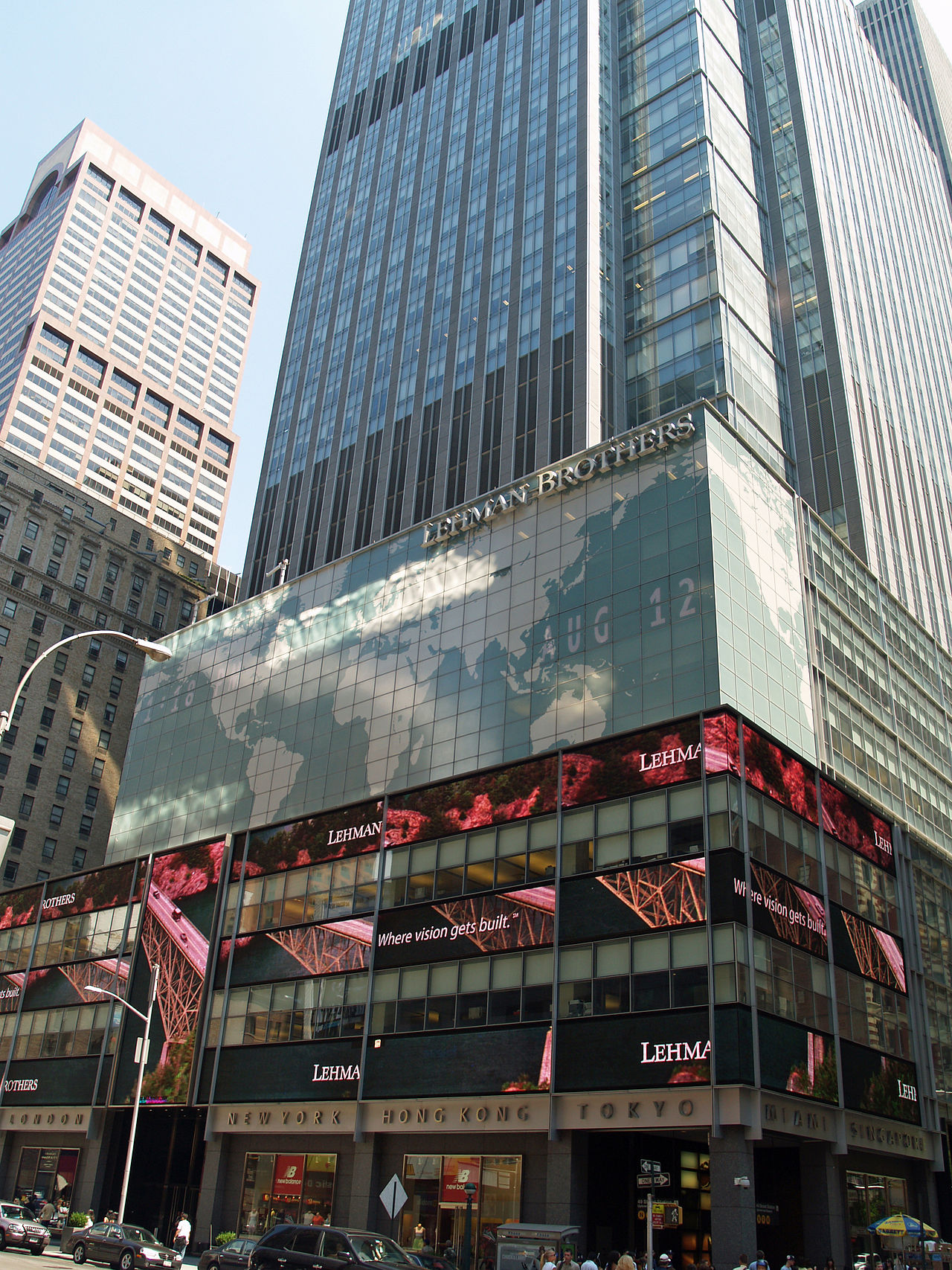
The liquidity crisis and bankruptcy of Lehman Brothers was a major turning point in the crisis. The bankruptcy of Lehman Brothers led to a significant decline in confidence in the financial system, and a subsequent decline in the value of stocks and other assets. The crisis also led to a significant increase in unemployment and a decline in economic growth. The Treasury Department played a crucial role in responding to the crisis, providing financial assistance to affected institutions. The crisis also led to a significant increase in government spending. The Federal Deposit Insurance Corporation also played a crucial role in responding to the crisis, providing deposit insurance to banks.
📉 The Stock Market Crash and Global Recession
The stock market crash and global recession were major consequences of the crisis. The stock market crash led to a significant decline in the value of stocks and other assets, and a subsequent decline in consumer confidence. The global recession led to a significant increase in unemployment and a decline in economic growth. The crisis also had a significant impact on the international trade, leading to a decline in exports and imports. The World Trade Organization played a crucial role in responding to the crisis, providing guidance to countries on trade policies. The crisis also led to a significant increase in protectionism.
🌟 Regulatory Failures and Predatory Lending
The crisis highlighted the importance of regulation in preventing similar crises in the future. The crisis was exacerbated by deficiencies in regulation, which allowed financial institutions to engage in risky behavior without adequate oversight. The Dodd-Frank Wall Street Reform and Consumer Protection Act was passed in response to the crisis, with the goal of improving regulation and oversight of the financial industry. The Consumer Financial Protection Bureau was also established to provide oversight of consumer financial products. The crisis also led to a significant increase in financial regulation. The Federal Reserve also played a crucial role in responding to the crisis, providing guidance to financial institutions.
📊 The Aftermath and Legacy of the Crisis
The aftermath of the crisis has been marked by a slow and uneven recovery. The global recession led to a significant increase in unemployment and a decline in economic growth. The crisis also led to a significant increase in government debt, as governments responded to the crisis with fiscal stimulus packages. The European Sovereign Debt Crisis was also a major consequence of the crisis, as several European countries struggled with high levels of debt. The International Monetary Fund played a crucial role in responding to the crisis, providing financial assistance to affected countries. The crisis also led to a significant increase in inequality.
🤝 International Cooperation and Response
The crisis highlighted the importance of international cooperation in responding to global economic crises. The G20 played a crucial role in responding to the crisis, providing a forum for countries to coordinate their responses. The International Monetary Fund also played a crucial role, providing financial assistance to affected countries. The crisis also led to a significant increase in global governance, as countries recognized the need for more effective international cooperation. The World Bank also played a crucial role in responding to the crisis, providing financial assistance to affected countries.
📊 Lessons Learned and Future Implications
The crisis has also had a significant impact on the global economy, leading to a decline in economic growth and an increase in unemployment. The crisis also led to a significant increase in inequality, as the wealthy were less affected by the crisis than the poor. The Occupation Movement was a major response to the crisis, as people around the world protested against the economic system and called for greater equality. The crisis also led to a significant increase in social unrest. The International Labor Organization played a crucial role in responding to the crisis, providing guidance to countries on labor policies.
📈 The Impact on the Global Economy
The crisis has also had a significant impact on the United States economy, leading to a decline in economic growth and an increase in unemployment. The crisis also led to a significant increase in government debt, as the government responded to the crisis with fiscal stimulus packages. The Federal Reserve played a crucial role in responding to the crisis, providing liquidity to the financial system. The crisis also led to a significant increase in monetary policy activism, as the Federal Reserve used unconventional measures to stimulate the economy.
📊 Conclusion and Reflections on the Crisis
In conclusion, the 2008 Global Financial Crisis was a major worldwide financial crisis with far-reaching consequences for the global economy. The crisis was triggered by excessive speculation on property values, and was exacerbated by deficiencies in regulation and predatory lending practices. The crisis led to a significant decline in economic growth, an increase in unemployment, and a significant increase in government debt. The crisis also highlighted the importance of regulation and international cooperation in preventing similar crises in the future. The G20 and the International Monetary Fund played crucial roles in responding to the crisis, and the Dodd-Frank Wall Street Reform and Consumer Protection Act was passed to improve regulation and oversight of the financial industry.
Key Facts
- Year
- 2008
- Origin
- United States
- Category
- Economics
- Type
- Event
Frequently Asked Questions
What was the main cause of the 2008 Global Financial Crisis?
The main cause of the 2008 Global Financial Crisis was excessive speculation on property values, which led to the 2000s United States housing bubble. This was exacerbated by predatory lending practices and deficiencies in regulation. The crisis was also triggered by the collapse of MBS and the subsequent liquidity crisis. The Federal Reserve played a crucial role in responding to the crisis, providing liquidity to the financial system.
What were the consequences of the 2008 Global Financial Crisis?
The consequences of the 2008 Global Financial Crisis were severe and far-reaching. The crisis led to a significant decline in economic growth, an increase in unemployment, and a significant increase in government debt. The crisis also led to a significant increase in inequality, as the wealthy were less affected by the crisis than the poor. The International Monetary Fund played a crucial role in responding to the crisis, providing financial assistance to affected countries.
How did the 2008 Global Financial Crisis affect the global economy?
The 2008 Global Financial Crisis had a significant impact on the global economy, leading to a decline in economic growth and an increase in unemployment. The crisis also led to a significant increase in inequality, as the wealthy were less affected by the crisis than the poor. The G20 played a crucial role in responding to the crisis, providing a forum for countries to coordinate their responses. The World Bank also played a crucial role in responding to the crisis, providing financial assistance to affected countries.
What was the role of the Federal Reserve in responding to the 2008 Global Financial Crisis?
The Federal Reserve played a crucial role in responding to the 2008 Global Financial Crisis, providing liquidity to the financial system and implementing unconventional monetary policies to stimulate the economy. The Federal Reserve also played a key role in coordinating the global response to the crisis, working closely with other central banks and international organizations. The Treasury Department also played a crucial role in responding to the crisis, providing financial assistance to affected institutions.
What were the main regulatory responses to the 2008 Global Financial Crisis?
The main regulatory responses to the 2008 Global Financial Crisis included the passage of the Dodd-Frank Wall Street Reform and Consumer Protection Act, which aimed to improve regulation and oversight of the financial industry. The act established the Consumer Financial Protection Bureau and implemented new rules and regulations to prevent similar crises in the future. The Securities and Exchange Commission also played a crucial role in responding to the crisis, providing oversight of the financial industry.
How did the 2008 Global Financial Crisis affect the United States economy?
The 2008 Global Financial Crisis had a significant impact on the United States economy, leading to a decline in economic growth and an increase in unemployment. The crisis also led to a significant increase in government debt, as the government responded to the crisis with fiscal stimulus packages. The Federal Reserve played a crucial role in responding to the crisis, providing liquidity to the financial system and implementing unconventional monetary policies to stimulate the economy.
What were the main international responses to the 2008 Global Financial Crisis?
The main international responses to the 2008 Global Financial Crisis included the establishment of the G20 as a premier forum for international economic cooperation, and the implementation of coordinated fiscal and monetary policies to stimulate economic growth. The International Monetary Fund also played a crucial role in responding to the crisis, providing financial assistance to affected countries and coordinating the global response to the crisis. The World Bank also played a crucial role in responding to the crisis, providing financial assistance to affected countries.